
 DNV GL/NIAHO Accredited facility.
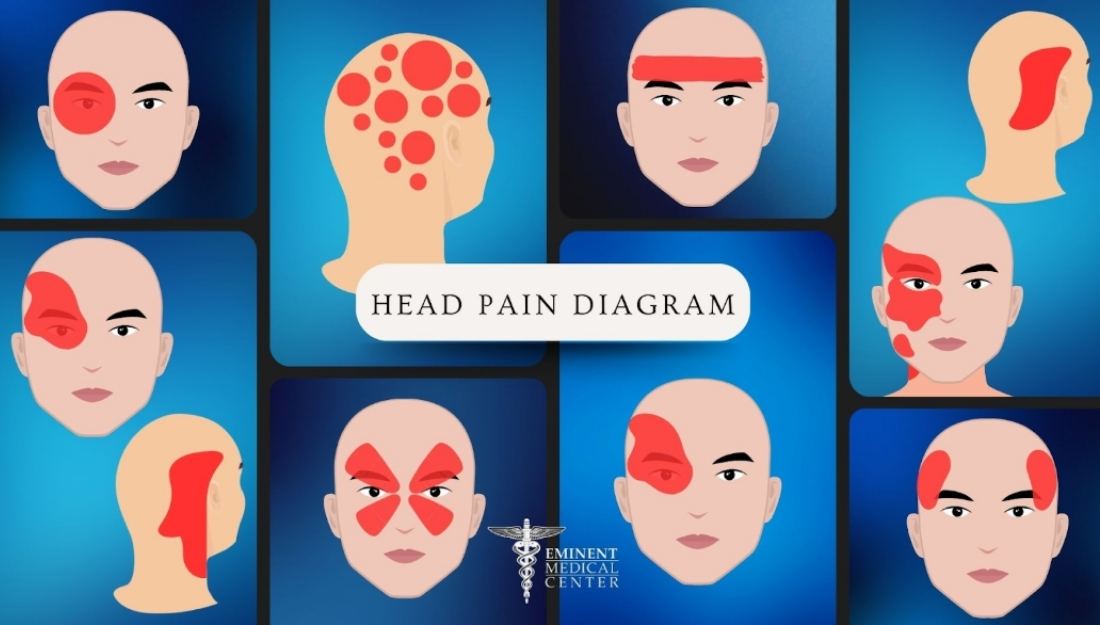
A complete headache chart is an essential tool for understanding your specific type of headache by the headache location. At Eminent Medical Center, we prioritize comprehensive care for individuals suffering from headaches and migraines. Developed following guidelines established by the International Headache Society, our headache chart meticulously categorizes different types of headaches, including migraine headaches, tension headaches, sinus headaches, and cluster headaches. Each classification is accompanied by detailed descriptions, aiding patients in identifying their symptoms accurately. Moreover, our complete headache chart highlights other symptoms commonly associated with various types of headaches, ensuring a thorough evaluation and personalized treatment approach for each patient.
Don’t let debilitating headache disorders disrupt your life—schedule an appointment at our distinguished medical center for expert care and relief. Call a Richardson headache and migraine specialist at Eminent Headache and Migraine Center today today at (833) 715-0251.
Types of Headaches and Headache Locations
Understanding the nuances of headache disorders involves recognizing the various types of headaches and their specific location in the head. From allergy and sinus headaches and cluster headaches to migraines, each type of headache encompasses its own range of experiences.
Allergy or Sinus Headaches

An allergy headache or sinus headache typically manifests as constant pain or pressure in the forehead, cheeks, and around the eyes. Sinus headaches often occur due to inflammation of the air-filled cavities in the sinus passages, triggered by allergies or a sinus infection. Effective management strategies for sinus headache pain may involve treating the underlying allergy or sinus infection with medications such as antihistamines, decongestants, nasal corticosteroids, or saline nasal irrigation.
Symptoms of an Allergy or Sinus Headache
Sinus headache pain includes cold-like symptoms, such as facial tenderness, congestion or stuffy nose, nasal discharge, and a reduced sense of smell. You may also feel pain in the upper teeth with sinus headaches. Allergy or sinus headaches can worsen with changes in weather or exposure to allergens such as pollen, dust, or pet dander.
Chronic Daily Migraine Headaches

Migraine headaches are a complex neurological condition characterized by distinct phases and often localized to a headache on the right side of the head or the left side of the head. The phases for migraine headaches typically include:
- The premonitory or prodromal phase is marked by subtle changes like mood swings or food cravings.
- The aura phase, during which sensory disturbances like visual disturbances or tingling sensations may occur.
- The headache phase itself involves severe throbbing pain, often accompanied by sensitivity to light, sound, and certain foods.
- The resolution phase brings relief, though individuals may experience fatigue or a lingering sense of unease.
Migraine Headache Symptoms
Migraine symptoms typically include throbbing pain localized to one side of the head. Alongside this intense discomfort, individuals often exhibit sensitivity to light, sound, and certain smells, intensifying their distress. Migraines can be triggered by various factors such as certain foods, changes in weather, dehydration, and hormonal fluctuations, further complicating management efforts.
Additionally, sensory symptoms like visual disturbances or tingling sensations may herald the onset of a migraine attack. To prevent migraines, individuals often adopt strategies such as identifying and avoiding trigger foods and smells, staying hydrated, and managing stress levels effectively.
Thunderclap Headaches or Brain Aneurysm
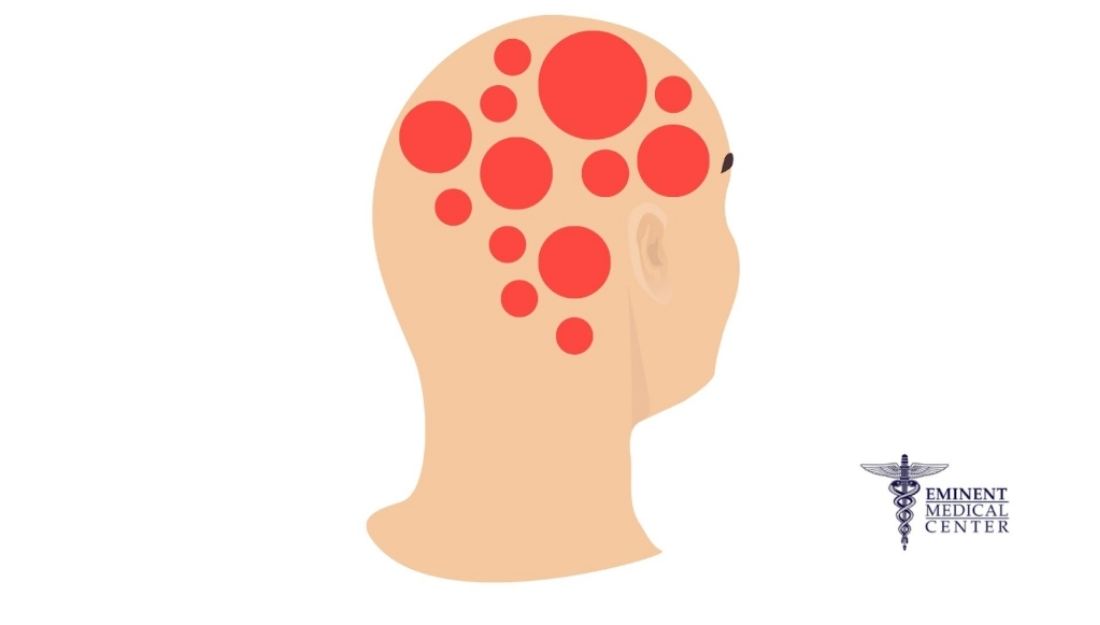
An aneurysm is a potentially life-threatening condition characterized by a bulge or ballooning in a blood vessel in the brain. This weakened area can rupture, leading to a sudden and severe headache known as a thunderclap headache. Brain aneurysms can occur anywhere in the brain, but they are commonly found in the arteries at the base of the brain, known as the circle of Willis.
The location of the aneurysm determines the symptoms and potential complications. When an aneurysm ruptures, it can cause bleeding into the surrounding brain tissue, leading to a hemorrhagic stroke, which requires immediate medical attention.
Thunderclap Headache Symptoms
Thunderclap headaches are a sudden and severe headache described as the “worst headache of my life.” It is characterized by an intense and abrupt onset of pain, often reaching its peak within seconds to minutes. Unlike other symptoms, which may gradually build in intensity, this intense headache typically strikes suddenly, like a clap of thunder.
This type of headache can be indicative of a serious underlying condition such as a ruptured brain aneurysm, subarachnoid hemorrhage, or another neurological emergency. Therefore, anyone experiencing a thunderclap headache should seek immediate medical attention to determine the cause and receive prompt treatment.
Cluster Headaches

A cluster headache is an excruciatingly painful episode characterized by intense, piercing pain usually located around one eye or temple on one side of the head. Cluster headaches occur in cyclical patterns or clusters and often strike multiple times a day for weeks or months, followed by periods of remission. The severity and frequency of cluster headaches can significantly impact daily life, leading to disruption of work, sleep, and social activities.
Medication and lifestyle adjustments are advised for alleviating symptoms and improving the quality of life for those affected by cluster headaches.
Cluster Headache Symptoms
Individuals experiencing cluster headaches may exhibit symptoms such as pronounced eye redness, tearing, nasal congestion, and agitation. The agitation commonly observed during a cluster headache reflects the impact of this condition on an individual’s physical and emotional well-being. To learn more about our Richardson and Dallas cluster headache treatment options, call Eminent Medical to speak with a specialist today.
Tension Headaches
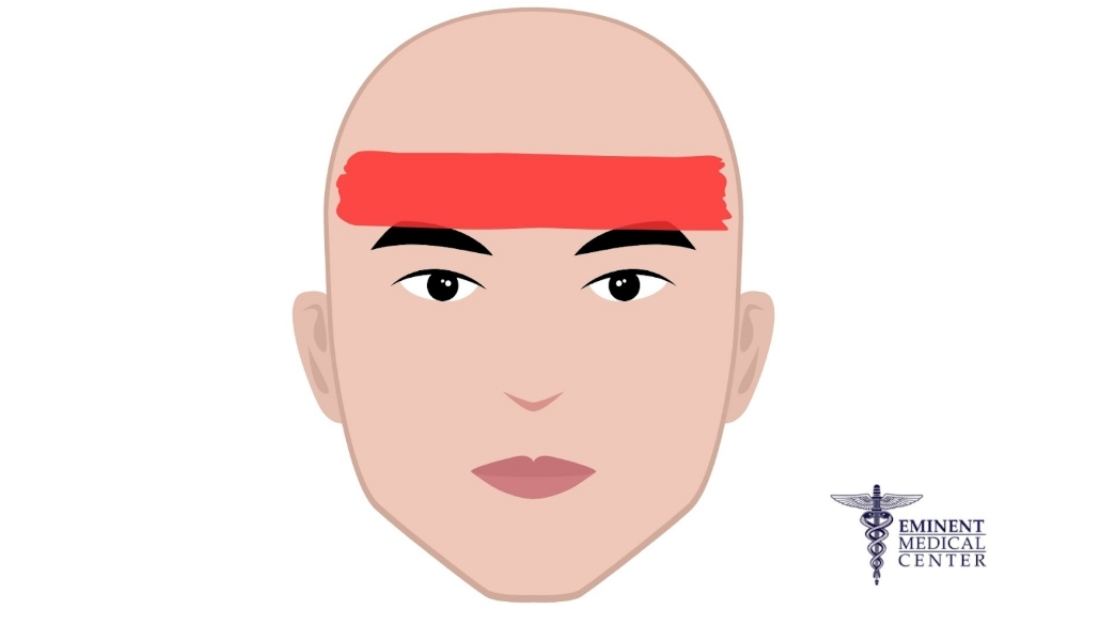
A tension headache, also referred to as a common headache, is often caused by stress and presents as a dull, tight band of pain around the head. Whether a tension-type headache is episodic or chronic, it affects daily life and typically originates in the forehead, temples, or neck. Alongside muscle stiffness and scalp tenderness, these headaches can impair one’s ability to function normally. Treatment includes stress reduction, hot and cold compresses, and over-the-counter pain relievers.
Tension Headache Symptoms
Tension headaches are characterized by a sensation of a “tight band” or pressure around the head. Individuals experiencing a tension headache often describe a dull, achy pain that can vary in intensity from mild to moderate. Unlike migraines, tension headaches typically do not cause nausea, vomiting, or sensitivity to light or sound. However, they can still be disruptive, leading to difficulty concentrating and irritability.
Other symptoms caused by a tension headache include muscle tension and stiffness in the neck and shoulders. These headaches can last anywhere from a half hour to several days.
Medication Overuse Headaches or Rebound Headaches
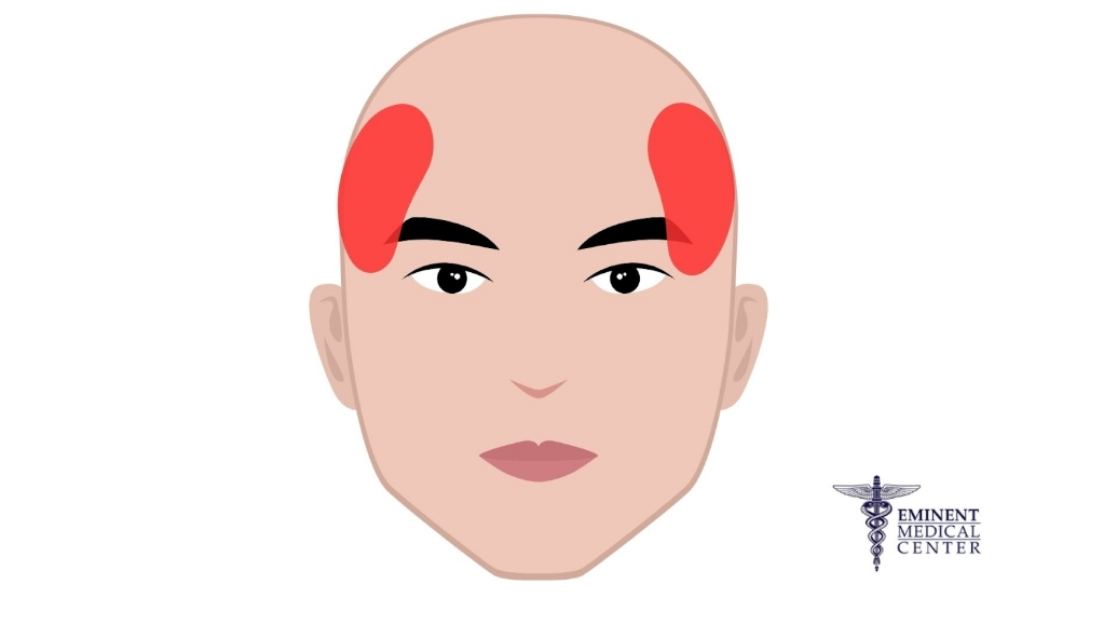
A medication overuse headache, also known as rebound headache, occurs as a result of frequent or excessive use of headache pain relievers. Paradoxically, these medications, typically used to alleviate headaches, can actually exacerbate headache symptoms when used too frequently. A medication overuse headache often occurs in individuals who rely heavily on medications such as nonsteroidal anti-inflammatory drugs (NSAIDs), acetaminophen, or opioids to manage their headaches.
The exact cause behind the medication overuse headache is not fully understood but may involve changes in the brain’s pain pathways and neurotransmitter levels. Medication overuse headaches typically occur throughout the head. Effective treatment for a medication overuse headache involves gradually reducing medication, along with implementing alternative headache management strategies.
Medication Overuse Headache Symptoms
Rebound headaches, resulting from medication overuse, present with recurrent daily pain resembling tension-type headaches or migraines. Symptoms of a medication overuse headache include dull, steady pain on both sides of the head, heightened light and sound sensitivity, nausea, and difficulty concentrating. Breaking the cycle often involves discontinuing the offending medications under medical supervision.
Occipital Neuralgia
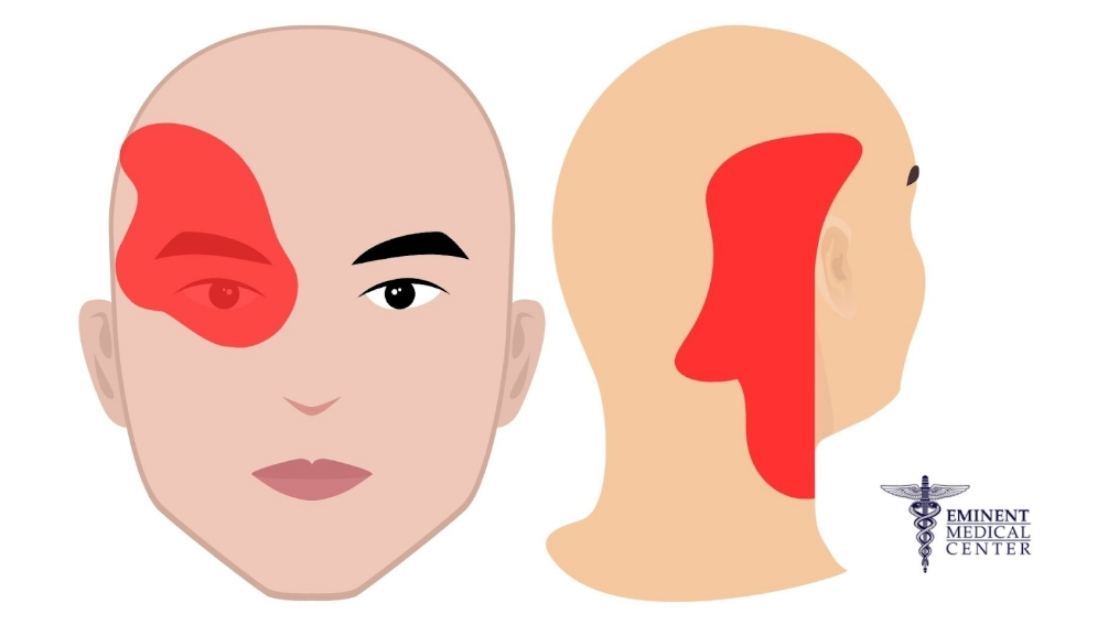
Occipital neuralgia occurs when the occipital nerves become inflamed or compressed, often due to irritation from stiff neck muscles or injury to the back of the head or neck. The pain of occipital neuralgia is usually localized to the back of the head, but it can also radiate to the sides of the head or behind the eyes. It’s important to differentiate occipital neuralgia from other different types of headaches, as its treatment approach may differ.
Occipital Neuralgia Symptoms
Occipital neuralgia presents as a severe, throbbing pain on one or both sides of the head, often with migraine-like symptoms. This constant pain stems from inflammation or compression of the occipital nerves, which run from the top of the spinal cord up through the scalp, potentially radiating to the eyes. It’s critical to seek medical evaluation for accurate diagnosis and proper occipital neuralgia treatment in Dallas and Richardson, TX.
Cervicogenic Headaches
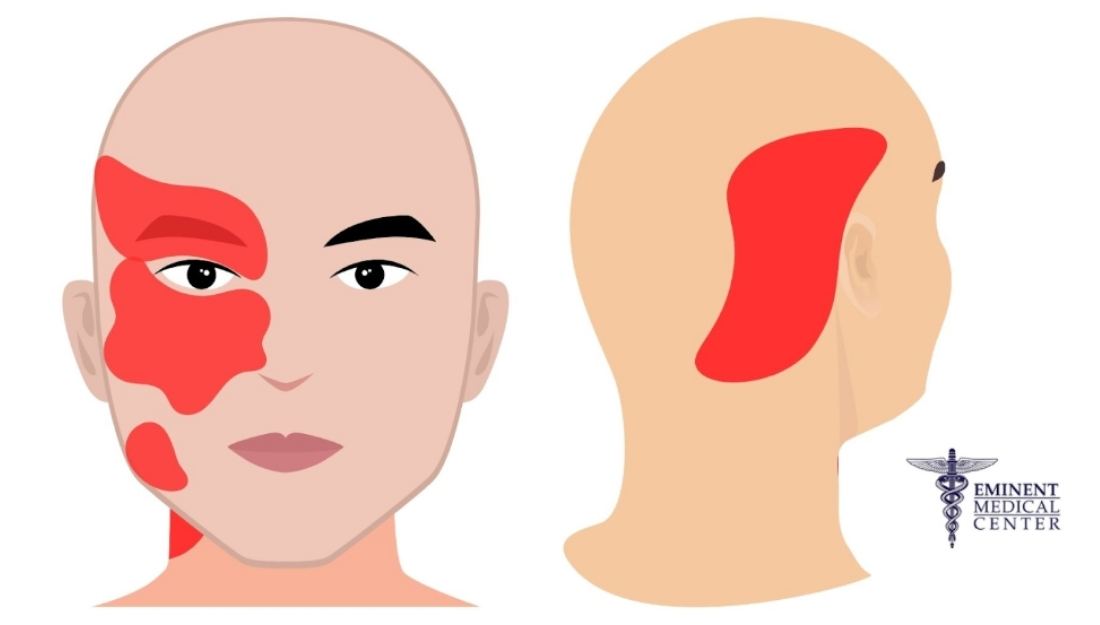
Cervicogenic headaches stem from issues in the cervical spine, causing severe nerve pain that radiates to the head. Unlike primary headaches like migraines or tension-type headaches, cervicogenic headaches are considered secondary headaches, originating from structural problems rather than neurological conditions.
Cervicogenic Headache Symptoms
Symptoms of a cervicogenic headache often include severe pain in the head, typically on one side, accompanied by stiff or rigid neck pain. The pain may worsen with certain movements or positions. Cervicogenic headaches can be triggered by trauma or degenerative changes in the cervical spine, affecting blood vessels and nerves that supply the head.
Seeking medical evaluation is necessary to differentiate cervicogenic headaches from other types of headaches and to develop an appropriate treatment plan tailored to address underlying cervical spine issues.
Primary Headaches vs. Secondary Headaches
A primary headache, such as a migraine or tension-type headache, is characterized by feeling pain directly in the head without an underlying medical condition causing it. A primary headache can vary in location and intensity and is often accompanied by other symptoms such as nausea, light or sound sensitivity, and muscle aches. The pain experienced with a primary headache can fluctuate and may be described as throbbing, dull, or pressure-like. These headaches are considered primary because they are not caused by another medical condition or underlying problem.
In contrast, a secondary headache occurs as a symptom of another medical condition or as a result of an underlying cause, such as trauma, infection, or structural abnormalities in the head or neck. The headache location and characteristics of the pain in secondary headaches may vary depending on the underlying condition. For example, a secondary headache caused by a sinus infection may present with pain and pressure in the forehead or cheeks, while a secondary headache resulting from cervical spine issues may radiate from the neck to the head. Identifying and addressing the underlying cause is critical in managing a secondary headache effectively.
Does the Headache Location Mean Anything?
Recognizing the importance of headache location is essential for accurate diagnosis and effective treatment for the type of headache experienced. For instance, tension-type headaches commonly manifest as a tight band of pain around the forehead or the back of the head and neck. On the other hand, a cluster headache is often felt around one eye or temple, sometimes radiating to other areas of the head.
At Eminent Medical Center, we emphasize precisely identifying headache locations in guiding healthcare providers toward optimal interventions. Utilizing a complete headache chart is instrumental in this process, as it offers visual depictions of where pain manifests on the head. By repeatedly referencing headache locations throughout our diagnostic approach, we ensure a comprehensive understanding of symptoms and their correlation with potential underlying causes. These headache location charts enable healthcare professionals to differentiate between various types of headaches. Regular consultation of headache locations aids in tracking changes in pain intensity and frequency, facilitating tailored treatment adjustments. By incorporating headache location into our diagnostic framework and utilizing a complete headache chart, we uphold our commitment to providing personalized care that targets the root cause of each patient’s discomfort, ultimately leading to improved outcomes and enhanced quality of life.
While headache location alone may not always provide a definitive diagnosis, it can offer valuable clues to differentiate between headache types and guide appropriate treatment strategies.

When Should You Be Concerned About Headache Pain?
It’s imperative to pay attention to certain warnings associated with headache pain, as they may indicate underlying health concerns. Symptoms such as sudden, severe pain, especially if it’s the worst headache you’ve ever experienced, may signal a medical emergency. Headaches accompanied by neurological or sensory symptoms such as double vision, difficulty speaking, or weakness in one side of the body could also indicate a serious condition such as a stroke or aneurysm.
Other warning signs include headaches that occur with a drooping eyelid, especially if it’s on one side, or headaches associated with unexplained weight loss. While these symptoms are a rare cause of headaches, they should not be ignored.
If you experience any concerning symptoms, consulting with a doctor is advised. The International Headache Society recommends seeking medical care for headaches that are persistent, severe, or accompanied by concerning symptoms to ensure timely and effective treatment.
Common Treatments for Headache Pain
The common treatment for headache pain varies depending on the type of headache experienced.
For tension headaches, over-the-counter pain relievers such as acetaminophen or ibuprofen can provide relief. Relaxation techniques, stress management, and physical therapy may also help prevent tension headaches.
Migraine headaches may be managed with medications such as triptans or ergotamines to alleviate symptoms and prevent attacks. Medications like calcium channel blockers or antidepressants may also be prescribed to individuals to prevent migraines.
Sinus headache pain may be relieved with decongestants, antihistamines, or nasal corticosteroids to reduce congestion and pressure. Cluster headaches may be treated with oxygen therapy or triptans to abort attacks and prevent future episodes.
Regular blood tests and medical evaluations can help identify underlying causes or contributing factors to headaches, ensuring appropriate treatment and management strategies that provide quick headache relief.
Headache Treatment in Richardson, TX
At the Eminent Headache and Migraine Center in Richardson, TX, our comprehensive approach to headache treatment addresses various headache types, including migraines, cluster headaches, tension headaches, and sinus headache pain.
Our expert team understands that most headaches are multifactorial and may involve the body’s biological clock, among other factors. By offering personalized treatment plans tailored to each patient’s needs, we aim to provide effective headache relief.
Whether you’re experiencing intense cluster headaches or persistent tension headaches, our dedicated team is committed to helping you find relief and improve your quality of life. Contact the Eminent Headache and Migraine Center today at (833) 715-0251 to schedule a consultation and take the first step toward headache management.