 DNV GL/NIAHO Accredited facility.
Frozen Shoulder Surgery in Dallas and Richardson, Texas

Frozen shoulder surgery can provide actual relief when shoulder pain, joint stiffness, and restricted movement begin to interfere with your daily life. At Eminent Medical Center, an orthopedic surgery center in Richardson and Dallas, TX, we offer advanced surgical treatment options designed to improve shoulder mobility and reduce pain caused by adhesive capsulitis, also known as frozen shoulder.

Our team is dedicated to helping you get back to your normal activities, whether that means enjoying your favorite hobbies, exercising, or simply moving your arm freely again. If stiffness remains despite nonsurgical treatment like physical therapy or corticosteroid injections, surgery for frozen shoulder may be the next step.
Call Eminent Medical Center at (469) 910-8800 or contact us online to schedule a consultation and learn how we can help you find relief.
What is Frozen Shoulder (Adhesive Capsulitis)?
Adhesive capsulitis, or frozen shoulder, is a painful condition that affects the shoulder joint and makes it hard to move the upper arm. It happens when the shoulder capsule, a strong connective tissue that surrounds the joint, becomes thick, tight, and develops scar tissue. This tightening limits shoulder motion and can cause severe pain and stiffness. Frozen shoulder typically progresses slowly, and most patients experience the condition in three stages: the freezing stage, the frozen stage, and the thawing stage.
Frozen Shoulder Symptoms
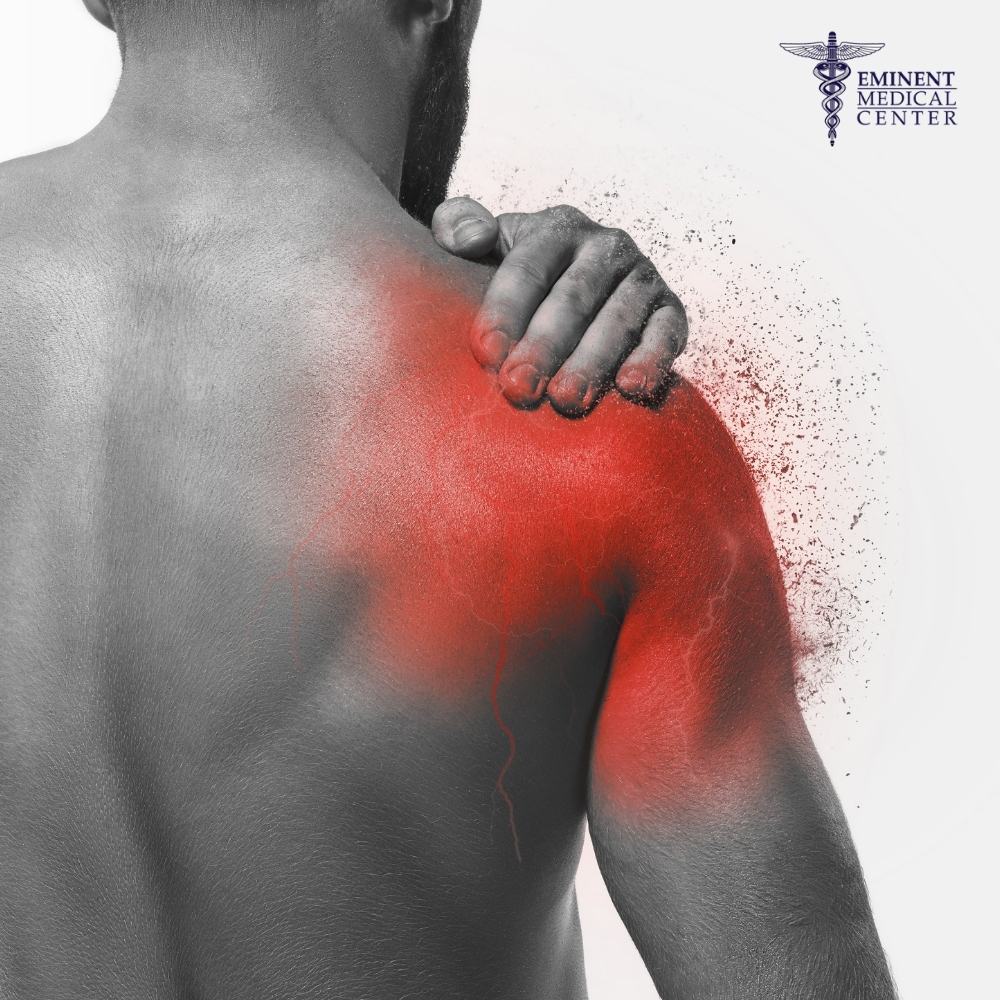
The most common symptoms of frozen shoulder include constant shoulder pain, stiffness, and a gradual loss of shoulder mobility.
Pain is often worse at night, making it difficult to sleep on the affected side. Over time, simple movements like reaching overhead, lifting your upper arm, or even getting dressed can become very difficult. These symptoms usually develop slowly and change depending on the stage of the condition.
Adhesive capsulitis can take a long time to improve on its own, which is why it’s important to consider treatment options like physical therapy, steroid injections, or frozen shoulder surgery. Without proper care, you may continue to deal with chronic pain, stiffness, and limited range of motion in the arm for years.
Stages of Frozen Shoulder
Understanding the stages of frozen shoulder can help you know what to expect and when to consider treatments. The three stages include:
- FREEZING STAGE: Pain slowly increases, and range of motion starts to become limited. This early stage can last several months, and the pain is often worse at night.
- FROZEN STAGE: Pain may begin to decrease, but the joint becomes very stiff. Shoulder motion is significantly restricted, and daily movements like reaching overhead or behind your back become difficult.
- THAWING STAGE: Shoulder motion gradually improves and stiffness starts to go away, but full recovery can still take months or even years.
Each person’s recovery time is different. Some people may improve with anti-inflammatory medication and physical therapy alone, while others may require surgery to restore normal shoulder function.
What Causes Frozen Shoulder?
The exact cause of frozen shoulder isn’t always clear, but it’s more common after the shoulder has been immobile for a long time. This can occur following a shoulder injury, surgery, or any condition that leads to prolonged immobilization. When the shoulder isn’t moved enough, the joint capsule can develop scar tissue and become tight. The tight capsule then causes pain and stiffness in the upper arm.

Risk Factors for Developing Frozen Shoulder
Adhesive capsulitis commonly affects people between the ages of 40 and 60, with women having a higher risk of developing the condition.
Certain health conditions, such as diabetes, thyroid disorders, and heart disease, can also increase the likelihood of frozen shoulder. A history of shoulder injury or shoulder surgery is another common risk factor, as prolonged immobility can cause tightness in the shoulder joint capsule.
In some cases, frozen shoulder develops without any clear cause, even in individuals who are otherwise healthy.
Diagnosing Frozen Shoulder in Dallas and Richardson, Texas
Diagnosing adhesive capsulitis usually starts with a thorough evaluation that includes a review of your medical history and a physical exam.
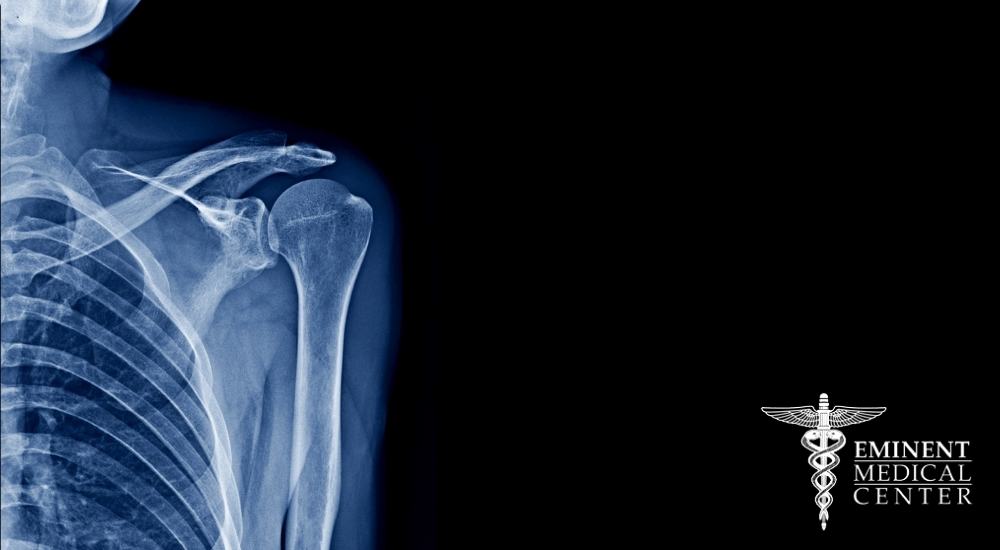
During the physical exam, your doctor will determine how much range of motion you have and identify any areas of pain. They will check how much you can move your arm on your own (active range of motion) and then gently move your arm for you to assess your passive range of motion. Imaging tests, such as X-rays or magnetic resonance imaging (MRI), may also be used to rule out other shoulder problems like arthritis or a rotator cuff tear.
This approach helps confirm the diagnosis and provides the information needed to make an informed decision about treatment options.
Nonsurgical Treatments for Frozen Shoulder
Nonsurgical treatments are usually the first step for most patients with frozen shoulder. These methods focus on relieving pain and improving shoulder mobility without the need for surgery. Below are the most common nonsurgical treatment methods.
NSAIDs for Shoulder Pain
Nonsteroidal anti-inflammatory drugs (NSAIDs), such as ibuprofen or naproxen, can help reduce pain and swelling in the shoulder. These medications are often recommended during the early (freezing) stage of frozen shoulder, when pain is most severe. Anti-inflammatory medications can make it easier to move the arm and perform daily activities.
Steroid Injections
Corticosteroid injections can help relieve pain and reduce inflammation in the shoulder joint. In many cases, steroid injections are combined with physical therapy to improve shoulder mobility and speed up recovery.
Physical Therapy
Working with a physical therapist is a key part of frozen shoulder treatment. Physical therapy can help restore range of motion, improve flexibility, and reduce shoulder stiffness. Gentle stretching and range of motion exercises can also help loosen the tight capsule and improve shoulder mobility over time.
When Is Surgery for Frozen Shoulder Necessary?
When nonsurgical treatments don’t provide enough relief, an orthopedic specialist may recommend frozen shoulder surgery. If shoulder pain and stiffness persist for an extended period and make it difficult to perform everyday tasks, surgery may be the next step.

Frozen Shoulder Surgeries at Eminent Medical Center
At Eminent Medical Center, we offer advanced surgical treatment options for patients whose frozen shoulder hasn’t improved with nonsurgical methods. Our orthopaedic surgeons provide arthroscopic and non-arthroscopic procedures, depending on each patient’s situation.
Arthroscopic Capsular Release (Keyhole Surgery)
Arthroscopic capsular release, also known as keyhole surgery, is a minimally invasive procedure that uses small incisions and a tiny camera to view the inside of the shoulder. Through these small openings, the surgeon releases the tight shoulder capsule to improve movement and reduce pain.
Since shoulder arthroscopy uses smaller cuts than traditional shoulder surgery, most patients experience less discomfort and have quicker recovery times.
Manipulation Under Anesthesia (MUA)
During a Manipulation Under Anesthesia (MUA) procedure, the patient is put under anesthesia so they stay relaxed and feel no pain. While the patient is asleep, the surgeon gently moves the arm and shoulder in different directions to stretch the tight shoulder capsule and break up scar tissue.
This can help improve shoulder mobility and reduce stiffness. MUA is sometimes done on its own or combined with other procedures like arthroscopic surgery.
Recovering From Frozen Shoulder Surgery in DFW
Recovery after frozen shoulder surgery takes time and usually requires physical therapy to help restore motion and strength in the shoulder joint. Right after surgery, you may need to rest your arm for a short period, but movement is encouraged soon after to prevent frozen shoulder from coming back. A physical therapist will guide you through stretching and range of motion exercises to improve flexibility and shoulder mobility.
Recovery times depend on the type of procedure performed and how stiff the shoulder was before surgery. Some patients start feeling better within a few weeks, while others may need several months to fully heal.
Additional Shoulder Procedures Performed at Eminent Medical Center
At Eminent Medical Center, we offer a wide range of shoulder procedures to help patients with different shoulder conditions. As a trusted shoulder surgery center in Richardson and Dallas, TX, our team treats problems like rotator cuff tears, shoulder instability, and arthritis using advanced surgical techniques tailored to each patient’s needs.
AC Joint Surgery
The acromioclavicular (AC) joint is where the collarbone meets the highest point of the shoulder blade. Injury or arthritis in the joint can cause shoulder pain and limit motion. Our Dallas AC joint surgery is used to repair or remove damaged parts of the acromioclavicular joint, helping reduce pain and improve shoulder function.
Rotator Cuff Surgery
The rotator cuff is a group of muscles and tendons that help lift and rotate the arm. Tears in the rotator cuff can cause pain, weakness, and trouble moving the upper arm. Rotator cuff surgery in Dallas and Richardson involves reattaching the torn tendon and removing damaged tissue. This procedure helps restore strength and range of motion in the shoulder joint.
Total & Reverse Shoulder Replacement
For patients with severe damage to their shoulder joint, often caused by arthritis or injury, their doctor may recommend a shoulder replacement. Total shoulder replacement involves replacing the damaged parts of the joint with artificial components. In cases where there is a significant tear in the rotator cuff, reverse shoulder replacement in Richardson and Dallas, TX, is often a better option. This procedure changes the position of the ball and socket to help the deltoid muscle lift the arm.
Arthroscopic Shoulder Surgery
Arthroscopic shoulder surgery is a minimally invasive procedure that uses small incisions and a tiny camera to treat shoulder problems like tears, bone spurs, or joint inflammation. Arthroscopic shoulder surgery allows orthopaedic surgeons to make precise repairs with less pain and a quicker recovery than traditional open surgery.
Bankart Repair Surgery
A Bankart tear happens when the shoulder’s labrum (the rim of cartilage around the shoulder socket) is damaged, often from a dislocation. Bankart repair surgery is used to reattach the torn labrum and tighten the joint, helping prevent future dislocations and restoring stability to the shoulder.
SLAP Repair Surgery
A Superior Labrum Anterior to Posterior (SLAP) tear is an injury to the top part of the labrum in the shoulder, where the biceps tendon attaches. Repetitive overhead movements, heavy lifting, or a sudden injury often cause this type of tear. SLAP repair surgery in Dallas and Richardson, TX, reattaches the torn labrum, relieves shoulder pain, and restores stability and strength to the joint.
FAQs for Frozen Shoulder Surgery in Dallas and Richardson, TX
Can Menopause Increase the Risk of Developing Frozen Shoulder?
Yes, menopause may increase the risk of developing frozen shoulder. Hormonal changes during this time can affect joint health, and frozen shoulder is more common in women between the ages of 40 and 60.
How Do I Know if My Shoulder Pain is From Adhesive Capsulitis?
If your shoulder pain started gradually and is getting worse over time, and you’re having trouble moving your arm, it could be adhesive capsulitis (frozen shoulder). A doctor can confirm the diagnosis with a physical exam and imaging tests.
How Long Does it Take to Recover From Frozen Shoulder Surgery?
Recovery time can vary, but many patients begin to feel better within a few weeks. Complete recovery may take several months and usually includes physical therapy to improve movement and strength.
What Are the Risks Associated with Frozen Shoulder Surgery?
As with any surgery, there are some risks, such as infection, bleeding, nerve injury, or stiffness coming back. However, most patients do well and see improvements in shoulder mobility and pain.
Why Choose Eminent Medical Center for Your Frozen Shoulder Surgery in Dallas and Richardson, TX ?
If you’re struggling with frozen shoulder pain, the team at Eminent Medical Center is here to help. Our advanced technology, experienced surgical teams, and personalized orthopedic care allow us to provide effective treatment options to help restore movement and reduce pain.
Whether you’re just beginning treatment or considering frozen shoulder surgery, we’re ready to support you every step of the way. To schedule a consultation, call 469-910-8800 or contact us online today.
Patient Testimonials
Eminent Medical Center strives for the highest quality healthcare and is measured by the satisfaction of our patients overall experience.