
 DNV GL/NIAHO Accredited facility.
Knee Replacement in Richardson and Dallas, TX
If you’re living with constant knee pain that makes it hard to walk, climb stairs, or enjoy everyday activities, knee replacement in Richardson and Dallas, TX, may help you get your life back. At Eminent Medical Center, our orthopedic surgeons offer both total knee replacement and partial knee replacement options to help patients with chronic knee pain, serious knee injury, or damaged cartilage.
Our goal is to improve your knee function, relieve pain, and restore your range of motion using advanced surgical techniques and high-quality knee implants. Whether you’re struggling with rheumatoid arthritis, a painful joint, or a knee deformity, our team is here to help you explore the right knee replacement procedure for your needs.
To learn more about our knee joint treatment options, call Eminent Medical at (469) 910-8800 or visit our online contact page.
Dallas and Richardson Knee Replacement Specialists
At Eminent Medical Center’s knee surgery center in Richardson and Dallas, TX, our orthopaedic surgeons are highly experienced in performing both total knee arthroplasty and partial knee replacement surgery. We understand how chronic knee pain, severe pain, and limited knee function can affect your daily life. That’s why we take the time to carefully evaluate each patient’s condition through a thorough physical examination and a review of their medical history. If you’re experiencing a damaged knee joint, knee deformity, or ongoing issues from a past knee injury, the orthopaedic surgeons at Eminent Medical Center work closely with you to find the most appropriate treatment for your needs.
What is Knee Replacement Surgery?
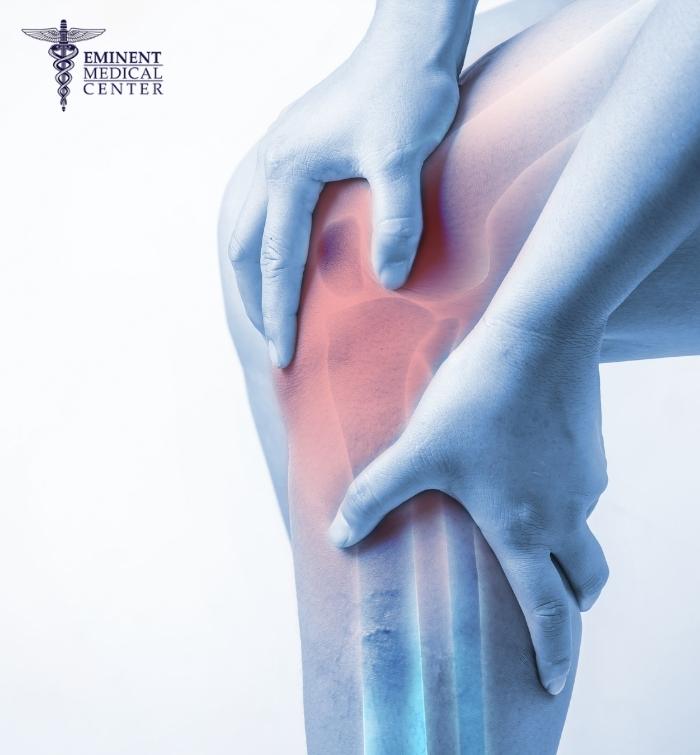
Knee replacement surgery, also known as knee arthroplasty, is a surgical procedure that replaces a damaged knee joint with an artificial joint composed of metal and plastic. The goal is to improve knee function, increase range of motion, and relieve pain caused by conditions like rheumatoid arthritis, chronic inflammation, or a serious knee injury.
During total knee replacement surgery, the surgeon removes worn-out articular cartilage, reshapes the bone, and inserts a knee prosthesis to create a smoother, more stable joint. In some cases, partial knee replacement may be recommended if only one part of the knee joint is affected. This orthopedic surgery in Richardson and Dallas, TX, is one of the most common and successful types of joint replacement performed today.
How Do You Know If You Need Knee Replacement Surgery?
You may need knee replacement surgery if you’re experiencing chronic knee pain that doesn’t improve with nonsurgical treatments like physical therapy, pain medication, or activity changes. If your knee pain is making it difficult to walk, bend your leg, or perform daily tasks like climbing stairs or getting up from a chair, it may be time to consider surgery.
People who suffer from severe pain, knee deformity, or damage to the knee’s ligaments or articular cartilage may also benefit from a knee replacement procedure. A full evaluation from an orthopedic surgeon that includes a physical examination and imaging tests can help determine if total knee replacement or partial replacement is the best option for your condition.
Knee Replacement Surgeries in Richardson and Dallas, TX
At Eminent Medical Center, we offer both partial knee replacement and total knee replacement surgery for patients in Richardson and Dallas who are living with chronic knee pain or limited knee function. Each knee replacement procedure is carefully planned based on the location and severity of joint damage.
Whether you’re dealing with a small area of damaged cartilage or widespread arthritis throughout the knee joint, our orthopedic surgeons will help you understand your options and what to expect from surgery and recovery.
Partial Knee Replacement Surgery
Partial knee replacement surgery is a type of knee arthroplasty that replaces only the damaged part of the knee joint, leaving healthy areas untouched. Orthopedic surgeons often recommend this surgical procedure when the damage is limited to a single compartment, usually caused by osteoarthritis or a previous knee injury.
During surgery, the affected bone and articular cartilage are removed and replaced with a small knee prosthesis made of metal and plastic. This allows for smoother movement and better knee function, while preserving much of the original joint structure.
Benefits of Partial Knee Replacement
One of the biggest advantages of partial replacement is that it typically allows for a shorter knee replacement recovery time and a faster return to daily activities. Because less bone and tissue are disturbed, patients often experience less postoperative pain, better range of motion, and a more natural-feeling knee motion compared to a full replacement. In many cases, partial knee replacement can also be performed as a same-day surgery, helping patients recover in the comfort of their own home with guidance from a physical therapist.
Ideal Candidates for Partial Knee Replacements
Patients with joint damage limited to one area of the knee and an otherwise healthy knee joint often make good candidates for partial knee replacement. This type of surgery is often recommended for individuals with chronic pain caused by localized arthritis, especially if the anterior cruciate ligament and posterior cruciate ligament are still intact. Candidates should also have a stable knee, minimal knee deformity, and relatively good overall health. A thorough physical examination and imaging will help our knee replacement surgeons decide if this procedure is right for you.
Total Knee Replacement Surgery
Total knee replacement surgery, also known as total knee arthroplasty, involves removing the entire damaged knee joint and replacing it with a custom-fitted artificial joint. Patients with damage to multiple parts of the knee, including bone, articular cartilage, and surrounding ligaments, often undergo this type of knee replacement procedure. The goal is to relieve pain, improve mobility, and help the joint function more like a healthy knee.
When is a Full Knee Replacement Necessary?
A full knee replacement may be necessary when there is damage to the entire joint due to rheumatoid arthritis, trauma, or advanced osteoarthritis. If you’re experiencing significant pain, swelling, and stiffness that limit your ability to walk, bend, or climb stairs, and nonsurgical treatments haven’t helped, your surgeon may recommend this surgical procedure. Patients with worn-out knee ligaments, visible joint damage, or deformity are also more likely to benefit from total knee replacement.
Benefits and Risks of Total Knee Arthroplasty
The main benefit of total knee arthroplasty is lasting pain relief and improved knee function. Most patients notice better movement and can return to normal activities after completing physical therapy.
However, like any surgical procedure, there are some risks. Serious complications are rare but may include infection, blood clots, stiffness from scar tissue, or reactions to pain medication or blood thinners. Our orthopaedic surgeons work closely with patients to monitor their recovery process, reduce post-operative pain, and support long-term results with personalized pain management strategies.
Partial vs. Full Knee Replacement
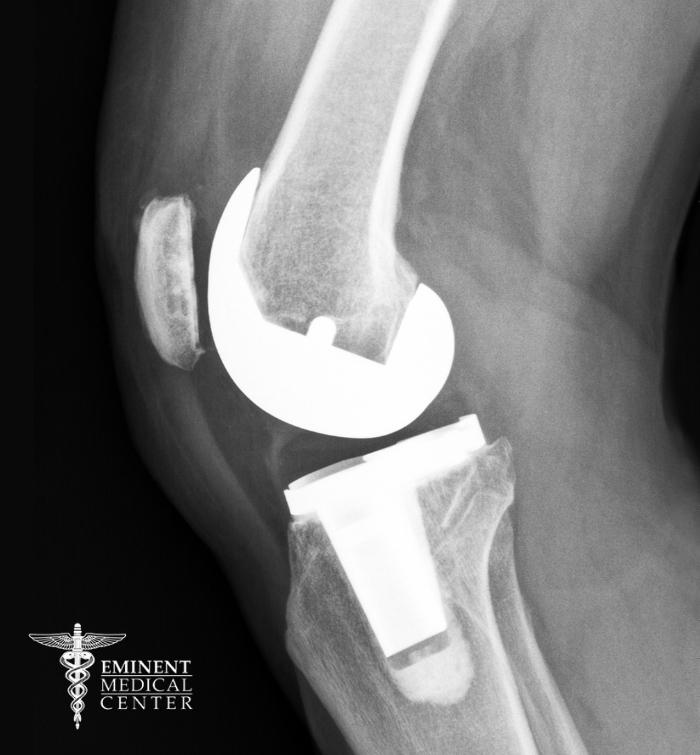
The main difference between partial and full knee replacement lies in how much of the knee joint is replaced during the surgical procedure. In a partial knee replacement, only the damaged section of the knee, usually the inner, outer, or front part, is removed and replaced with a knee prosthesis, leaving healthy bone, ligaments, and cartilage intact. When joint damage is limited and the rest of the knee functions well, a partial knee replacement can restore movement, improve stability, and relieve pain without replacing the entire knee joint.
In contrast, a total knee replacement involves replacing the entire joint, including the ends of the thigh bone, shin bone, and sometimes the kneecap. This approach is usually for individuals with widespread arthritis or chronic knee pain that affects the entire joint. Your symptoms, physical examination, and imaging results help your orthopaedic surgeon determine the most appropriate knee replacement procedure for you.
How to Prepare for Knee Replacement Surgery at Eminent Medical Center
Preparing for knee replacement surgery at Eminent Medical Center begins with a thorough medical evaluation and a personalized plan tailored to your specific needs. Our orthopedic surgeon will review your medical history, perform a physical examination, and order imaging to assess the condition of your knee joint.
You may be asked to stop certain medications, such as blood thinners, before surgery to reduce the risk of serious complications like blood clots. Strengthening the leg muscles with physical therapy before surgery can help support a smoother recovery process and improve knee function after the procedure. We also recommend preparing your home with items like a firm seat cushion, removing trip hazards, and arranging help for the first few weeks after surgery.
What to Expect During Knee Replacement Surgery
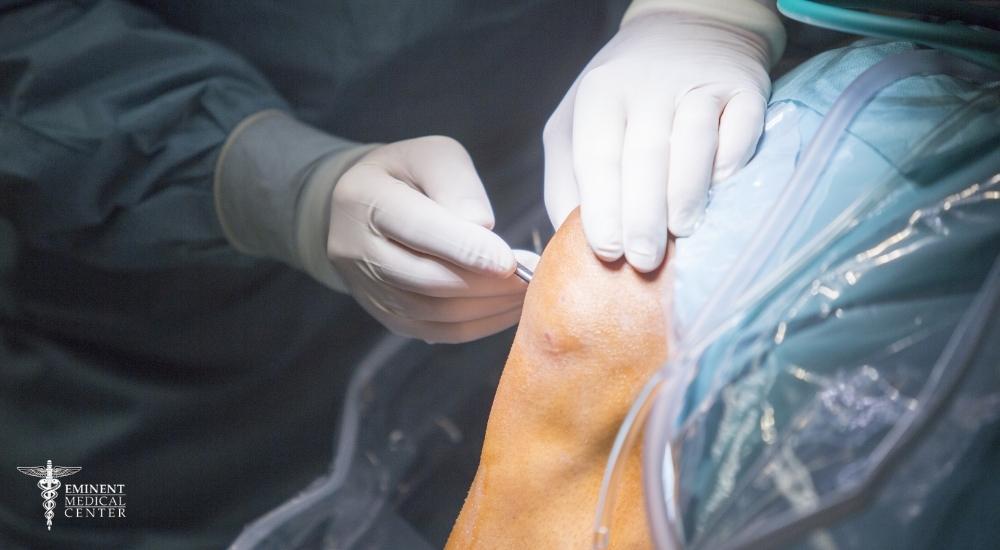
During your knee replacement surgery at Eminent Medical Center, your orthopedic surgeon will begin by making an incision over the knee joint to access the damaged areas. Worn articular cartilage, bone surfaces, and any damaged tissue are carefully removed and replaced with a custom-fitted knee prosthesis made of metal and plastic.
Depending on the extent of the damage, your surgeon will perform either a partial knee replacement or a total knee replacement. The goal is to restore smooth knee motion, improve knee function, and provide lasting pain relief.
The procedure typically takes one to two hours and may be performed as a same-day surgery for eligible patients. After surgery, you’ll be taken to recovery, where the care team will monitor postoperative pain and begin preparing you for the next steps in your recovery process at Eminent Medical Center.
Knee Replacement Recovery Time
Knee replacement recovery time varies from person to person, but most patients begin walking with assistance the same day or the day after surgery. In the first few weeks after surgery, a physical therapist will guide you through specific exercises to improve strength, flexibility, and range of motion in the new joint.
While some people return to basic daily activities within 3 to 6 weeks, full recovery from a total knee replacement or partial knee replacement may take several months. During this time, it’s important to follow your rehab plan, attend physical therapy sessions, and use pain medication or other pain management techniques as directed.
Additional Knee Pain Treatments Offered at Eminent Medical Center
At Eminent Medical Center, we offer a wide range of advanced knee replacement surgeries and related procedures to help relieve chronic knee pain, restore mobility, and improve your overall quality of life. Whether you need a minimally invasive procedure or a full knee replacement, our team in Richardson and Dallas is equipped with modern technology and experience to treat various knee conditions.
Mako Partial Knee Replacement Surgery
In Dallas and Richardson, TX, Mako partial knee replacement surgery uses robotic-assisted technology to precisely replace the damaged part of the knee joint while preserving healthy bone and tissue. This advanced technique allows for better alignment, reduced postoperative pain, and quicker knee replacement recovery time.
Mako Total Knee Replacement Surgery
Mako total knee replacement surgery in Richardson and Dallas, TX, combines robotic guidance with detailed imaging to create a personalized surgical plan. This technology helps surgeons perform total knee arthroplasty with increased accuracy, improving long-term outcomes and helping patients regain knee function more efficiently.
Tendon Repair Surgery
At Eminent, surgeons perform tendon repair surgery to repair torn or overstretched tendons around the knee joint, often resulting from sports injuries or the natural aging process. By restoring tendon strength, the procedure stabilizes the knee and supports normal movement in daily activities.
Torn Meniscus Repair
The meniscus is a layer of cartilage that cushions the knee. A torn meniscus repair involves stitching or removing the damaged section to relieve knee pain, reduce swelling, and prevent long-term knee joint damage.
Kneecap Repair and Replacement
In Richardson and Dallas, TX, surgeons may recommend kneecap repair or replacement when the patella is fractured or severely worn down. The procedure restores alignment, improves knee motion, and corrects issues that cause knee pain or instability.
ACL (Anterior Cruciate Ligament) Reconstruction
The anterior cruciate ligament (ACL) plays a crucial role in maintaining knee stability. ACL reconstruction in Richardson, TX, uses a graft to replace the torn ligament, restoring strength and function after a serious knee injury. This surgery is common among athletes and active individuals.
PCL (Posterior Cruciate Ligament) Repair
The posterior cruciate ligament (PCL) helps control backward movement of the knee. When torn, PCL repair surgery may be necessary to restore normal joint function and prevent long-term knee instability or pain.
Arthroscopic Knee Surgery
Surgeons at Eminent Medical Center use arthroscopic knee surgery, a minimally invasive procedure, to diagnose and treat problems inside the knee using a small camera and specialized tools. They commonly perform this surgery to trim cartilage, repair ligaments, or remove scar tissue and debris from the knee joint.
Revision Knee Replacement Surgery
Our experienced orthopaedic surgeons perform revision knee replacement surgery when a previous knee replacement wears out, becomes loose, or leads to complications. They replace or adjust the original knee implants to restore comfort, improve knee function, and reduce chronic pain or instability.
At Eminent Medical Center, we perform revision joint replacement surgery in Dallas and Richardson, TX, using advanced surgical techniques to improve knee function and support long-term recovery.
Advanced Knee Replacement Technology at Eminent Medical Center
At Eminent Medical Center, we are proud to use some of the most advanced technology available for both types of knee replacement procedures. Our surgical team combines experience with innovative tools to improve accuracy, support faster healing, and improve outcomes for patients needing total joint replacement in Richardson, TX.
The following sections will explain how our experienced knee surgeons at Eminent Medical use robotic-assisted systems like ROSA and MakoSmart Robotics to personalize your surgery and restore movement to your knee.
ROSA Robotic Knee Replacement Surgery
Our Dallas and Richardson ROSA robotic knee replacement surgery uses a robotic-assisted platform to provide your surgeon with real-time data during your knee replacement procedure. This allows for more precise placement of your knee prosthesis, helping improve balance, alignment, and overall knee function.
With detailed motion tracking and planning tools, the ROSA® Knee System by Zimmer Biomet supports both partial and total knee replacement procedures, making recovery smoother and more predictable for most patients.
Mako SmartRobotics Knee Replacement Surgeries
Mako SmartRobotics™ technology by Stryker uses a 3D model of your knee to help guide the surgeon during partial knee replacement and total knee arthroplasty. This personalized planning system helps target only the damaged cartilage of the knee joint, preserving healthy bone and tissue whenever possible.
Mako allows for smaller incisions, less post-operative pain, and a faster return to daily activities. Patients often see improved comfort, stability, and long-term success with MakoSmart Robotics technology as part of their treatment plan.
Why Knee Replacement Surgeons Choose Eminent Medical Center in Dallas and Richardson, TX
Knee replacement surgeons choose Eminent Medical Center because of our commitment to patient care, advanced technology, and surgical precision. Our state-of-the-art facility in Dallas and Richardson, TX, is equipped with modern tools like MakoSmart Robotics technology and ROSA robotic systems, allowing for more accurate knee replacement procedures and better long-term outcomes.
Orthopaedic surgeons also value our experienced support staff, well-coordinated surgical teams, and efficient scheduling for both inpatient and same-day surgery cases. With access to high-quality imaging, dedicated recovery units, and personalized rehabilitation plans, Eminent Medical Center provides the reliable environment surgeons need to deliver safe and successful joint replacement care.
DFW Knee Replacement FAQs
What is the Average Age For Knee Replacements?
The average age for knee replacement surgery in the United States is around 65, but many patients have the procedure between the ages of 50 and 80. However, people of any age may still benefit from a knee replacement if they have chronic knee pain, limited knee function, or damage that doesn’t improve with nonsurgical treatments.
Is Partial Knee Replacement Less Invasive than Full Knee Replacement?
Yes, a partial replacement is generally less invasive than a full knee replacement. Since it targets only the portion of the knee causing knee pain, it involves a smaller incision, preserves more healthy tissue, and may lead to a quicker recovery compared to total knee replacement.
How Long Does Knee Replacement Surgery Take?
Knee replacement surgery typically takes about 1 to 2 hours, depending on whether you’re having a partial knee replacement or a total knee replacement. Some patients may also spend additional time in the operating room for anesthesia and preparation before the actual surgical procedure begins.
What is the Average Knee Replacement Recovery Time?
The average recovery time for knee replacement is approximately 6 to 12 weeks, during which most patients return to basic daily activities. However, full recovery can take several months. Recovery depends on the type of knee replacement procedure, your overall health, and how closely you follow your physical therapy and pain management plan.
How Long Does it Take to Walk Normally After Knee Replacement?
Most patients begin walking with assistance within one to two days after knee replacement surgery, and many can walk more normally without a walker or cane within four to six weeks. Regaining a steady walking pattern depends on factors like your overall health, the type of knee replacement procedure, and your progress in physical therapy.
How Long Does a Knee Replacement Last?
A knee replacement can last 15 to 20 years or longer, depending on factors like implant type, activity level, and overall joint health. With proper care and follow-up, many patients experience long-term pain relief and improved knee function.
Why Choose Eminent Medical Center for Your Knee Replacement in Dallas and Richardson, TX
If knee pain is affecting your mobility, sleep, or daily routine, the team at Eminent Medical Center is here to help you take the next step toward lasting pain relief. Whether you need a partial knee replacement, a total knee arthroplasty, or another form of knee joint care, our experienced surgeons in Richardson and Dallas, TX, offer advanced treatment options tailored to your needs.
To schedule a consultation or learn more about our knee replacement procedures, call us today at (469) 910-8800 or reach out through our online contact page.