
 DNV GL/NIAHO Accredited facility.
Knee Revision Surgery in Dallas and Richardson, TX
Advanced Knee Replacement Revision Surgery at Eminent Medical Center
If you’re having persistent knee issues, it’s important to seek help from a qualified medical professional. For knee revision surgery to address a failing knee implant, contact Eminent Medical Center.
Dealing with knee pain and stiffness can be very uncomfortable, especially after you have already been through a total knee replacement surgery. To address knee issues, you need the help of a professional medical team. The experienced Texas knee replacement surgeons at Eminent Medical Center provide professional care for those experiencing a wide range of knee issues. Whether your pain stems from implant loosening, joint instability, or damaged tissue, our team can help.
Don’t wait to consult with a medical professional about problems with your knee replacement. Our surgeons can determine the best treatment for your needs. Call us at (469) 910-8800 today to schedule a consultation.
What is Knee Arthroplasty Revision Surgery?
A knee replacement surgery, also called knee arthroplasty, is the initial surgery on your knee to replace damaged parts of the joint with metal, ceramic, or plastic components. Many who have a knee replacement enjoy years of pain relief and improved movement. In some cases, the artificial knee joint can stop working correctly over time. If this happens, you may need a second surgery to repair or replace the old parts in the joint.
This second surgery is called knee arthroplasty revision surgery or knee revision surgery. During the revision procedure, surgeons repair or replace a previous knee replacement that has worn out, loosened, become infected, or otherwise failed.
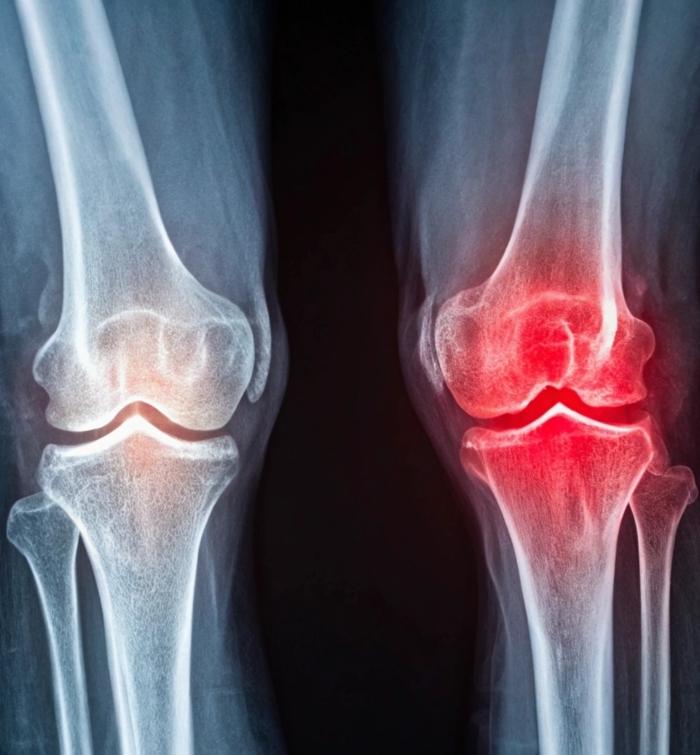
Partial Knee Revision Surgery
A partial knee revision focuses on repairing or replacing only a portion of the knee joint prosthetics. This process is less invasive than total knee revision, and therefore generally has a lower risk of surgical complications. Depending on your situation, a partial revision may restore your mobility and help you get back to daily life. Our Richardson, TX partial knee replacement surgeons provide professional care for those needing partial knee revision.
Total Knee Replacement Revision Surgery
Total knee replacement revision is a more complex procedure than partial knee revision. Surgeons remove and replace all components of your knee implant. Additionally, they may need to strengthen the bone around your knee, especially if you’ve experienced significant bone loss. This can be done through metal augments or bone grafts. Following your surgery, it is incredibly important to keep your knee stabilized. You will need to see a physical therapist who can help you strengthen your knee, thigh, and calf muscles and assist with blood clot prevention.
To discuss total knee revision, call Eminent Medical Center. Our total knee replacement surgeons in TX will assess your condition and determine if total knee revision is necessary.
What Causes Knee Replacement Failure?
Common reasons a knee replacement implant fails include infection, loosening mechanics, wear-and-tear over time, instability, and stiffness. Over time, the artificial parts of the knee can wear down, leading to pain and instability. When your artificial knee begins to ache, grind, or feel out of place, it signals the need for revision knee replacement to give you a new prosthesis.
Types of Knee Replacement Implants
There are multiple types of replacement implants for knee surgery. Implants are designed to suit a patient’s anatomy, activity level, and the degree of joint damage. The right choice may differ for everyone, depending on factors such as age, bone quality, and the overall condition of the knee.
Total knee replacement involves replacing the whole knee joint with prosthetics. The new knee joint consists of three parts, including the femoral, patellar, and tibial components. Partial knee replacement, on the other hand, involves removing damaged cartilage and bone, then implanting a partial prosthetic. Surgeons may affix your prosthetic to your bones with a binding cement. Alternatively, some prosthetics are designed with a textured surface that the new, healthy bone growth can attach to.
Metal On Plastic Implants
The most common type of knee replacement implant is a metal-on-plastic implant. Surgeons remove the damaged bone and cartilage of the knee, then replace lost bone with metal to create a new surface. A plastic spacer is attached to the tibia to provide a smooth cushion for the joint. Metal-on-plastic implants are durable and safe for many implants.
Posterior-Stabilized (PS) Implants
A posterior-stabilized implant mimics the function of the posterior cruciate ligament (PCL) using a cam-and-post mechanism. This mechanism connects the tibial and femoral components of the prosthetic with a cam. These implants work best in situations where the patient has a damaged or absent PCL.
Cruciate-Retaining (CR) Implants
For those with a stable PCL, a cruciate-retaining (CR) implant is a type of knee arthroplasty device that preserves your PCL. This implant will allow natural movement of the knee joint while providing stability.
Signs You May Need Revision Knee Surgery
There are a few signs that may indicate the need to revise knee replacement surgery, such as pain in the affected knee, worn-out prosthesis, or a feeling of your knee giving out. If you are concerned, contact the Eminent team to schedule a consultation. We’ll help you determine if you require revision surgery.
Pain and Stiffness After Knee Replacement
Knee stiffness or pain can indicate the need for surgery and should not be ignored. While mild or moderate pain after a knee replacement is common, ongoing pain, stiffness, and limited range of motion may indicate that something is not working correctly. Seek an evaluation by an experienced orthopedic specialist to determine whether revision knee surgery is necessary after a primary knee replacement.
Knee Joint Instability
In some cases, the joint can feel unstable due to implant wear, misalignment, or loosening. Knee joint instability can feel like a shifting or buckling of the knee and lead to pain and reduced mobility. When symptoms interfere with your daily life, a revision surgery may be necessary to relieve your pain. A study shared by the National Library of Medicine finds that loosening is one of the top causes of knee revision surgery.
Infection or Knee Implant Failure
An infection or a knee implant failure can lead to pain and mobility problems after knee replacement surgery. Knee prosthesis infection is characterized by symptoms such as fever, chills, and drainage from the incision. If the implant has failed, you will likely experience instability and stiffness in the knee. You may also notice swelling and persistent pain.
Clicking or Grinding Sounds From the Knee
A grinding or clicking sound from a knee replacement can be normal. Excessive scar tissue can cause a clicking sound as it rubs over the new implant. Alternatively, the prosthetic materials may rub against each other in a way that causes noise. It can become an issue when you experience instability or pain in your knee after a replacement. In these cases, you may need revision knee replacement surgery to correct the problem.

Revision Knee Replacement Surgery in Dallas, TX
A revision total knee arthroplasty is recommended in cases where you are dealing with knee instability, pain, or infection following a total knee replacement surgery. This is a surgical procedure performed when a previous knee prosthesis fails to fix the problem. During this process, the surgeon may remove all or part of the original implant. They will assess any damage to the surrounding bone or soft tissues. After determining the best solution to your knee issues, the surgeon will install a new revision implant to stabilize the knee and help you regain function and mobility. Although revision knee replacement may not always offer complete pain relief or fully restore mobility, it is an important step to maintaining knee function.
Eminent Medical Group can perform total or partial knee replacement revision in Dallas, TX. Our team utilizes specialized tools and advanced techniques to diagnose issues and figure out personalized solutions. Replacing old implants with new, custom implants made for you can result in a better outcome. These tailored implants and instruments help ensure the knee is correctly stabilized and better aligned.
Why Delaying Revision Surgery Increases Risks and Complications
It can be easy to put off revision surgery, but delaying it will only increase your risks and further damage to your bone and prosthesis. As damage progresses, knee surgery can become more complex, and recovery may take longer. You can also become more prone to falls or further injury. In cases of infection, delaying treatment can allow bacteria to spread. This can lead to serious conditions like sepsis.

DFW Knee Revision Surgery FAQs
Can Knee Arthroplasty Revision Relieve Pain?
Yes! Most patients who undergo a knee arthroplasty revision will experience significant pain relief following their recovery.
What is the Recovery Time After Revision Knee Surgery?
Recovery time depends on the extent of the surgery and other factors. Full recovery can take anywhere from 3 to 12 months. After a revision knee surgery, your mobility will be limited for several weeks. It is important to have someone to help you while you recover at home and to continue performing physical therapy to regain mobility.
How Long Will a Revision Total Knee Replacement Last?
Studies show that a revision total knee replacement can last anywhere from 3 to 15 years, depending on factors such as infection or loosening. Revision knee replacements can last an average of 10 years in most patients.
Why Choose Eminent Medical Center for Knee Revision Surgery in Dallas and Richardson, TX
When you need knee surgery in North Texas, contact the team at Eminent Medical Center. Our board-certified orthopaedic surgeons have substantial experience in knee arthroplasty, including both primary knee replacement surgeries and knee revision surgeries. We offer personalized treatment plans for each patient, ensuring your unique needs are met.
Our team understands how intimidating major surgical procedures can be. We strive to make the process as stress-free as possible for our patients. When you are experiencing pain after an initial knee replacement, it is time to seek out a surgical team that can help you get some relief. Call us at (469) 910-8800 today or complete our online contact form to schedule a consultation.