
 DNV GL/NIAHO Accredited facility.
Kneecap Replacement in Dallas and Richardson, TX

Kneecap Replacement for Patellofemoral Joint Damage
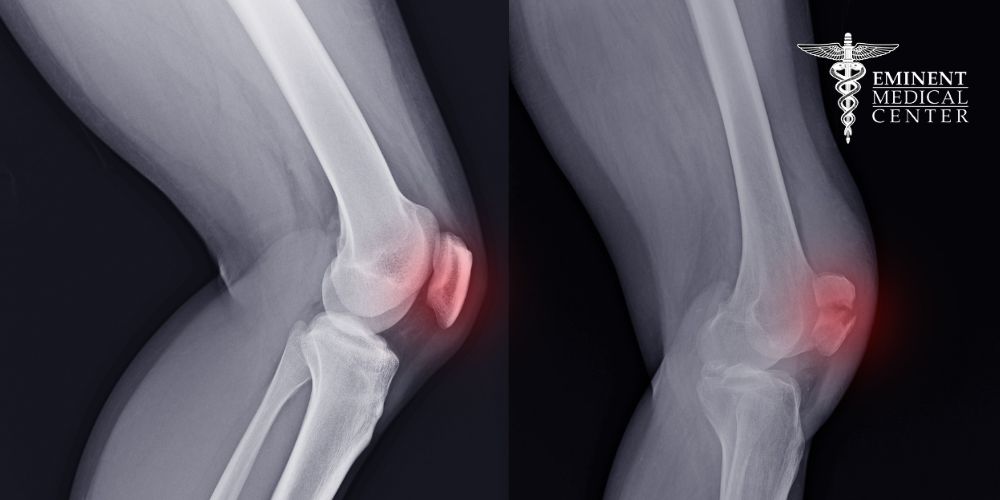
Knee pain and stiffness can severely impact your daily life. When damage is concentrated in the front portion of the knee joint, Eminent Medical Center provides kneecap replacement surgery.
Our orthopedic surgeons in Dallas and Richardson deliver high-quality healthcare to all of our patients. We value compassion, community, and integrity. If you’re experiencing knee issues that have not improved with conservative treatment, don’t wait to consult with Eminent Medical Center. Patellofemoral joint replacement is designed to address pain behind or around the kneecap. Our team will determine if this treatment is the best option for you.
When you’re ready to schedule an appointment with Texas knee doctors, call (469) 910-8800 or contact us online.
Understanding the Knee Joint and the Compartments of the Knee
The knee joint plays a crucial role in everyday activities such as walking, standing, climbing stairs, and much more. Your knee consists of:
- The Medial Compartment – The inside of the knee
- The Lateral Compartment – The outside of the knee
- The Patellofemoral Compartment – The front of the knee
Patellofemoral arthroplasty, also referred to as kneecap replacement, is a type of partial knee replacement. Rather than replacing the entire joint, doctors focus on only the patellofemoral compartment.

Conditions That May Lead to Kneecap Replacement Surgery
Kneecap replacement surgery typically becomes necessary when the front section of the joint sustains severe damage. While many patients seek surgery due to patellofemoral arthritis, it is not the only condition doctors treat with this procedure. Our Dallas and Richardson knee surgeons must confirm that damage is isolated to the patellofemoral compartment before recommending kneecap replacement.
Patellofemoral Osteoarthritis
As we age, degenerative conditions such as arthritis can significantly wear down our joints. Isolated patellofemoral arthritis results in cartilage wear that is limited mainly to the kneecap. Progressive articular cartilage loss causes persistent front-of-knee pain. If arthritis affects only one part of the knee, doctors can remove and replace that damaged portion.
Post-Traumatic Patellofemoral Arthritis
Many think of arthritis primarily as a result of aging. However, the resulting damage and inflammation from trauma also increase the risk of developing this condition. A kneecap fracture, direct blow to the knee, cartilage injury, or other trauma may lead to arthritis later. Sometimes, pain and joint damage only become noticeable long after the original injury.
Severe Cartilage Loss Behind the Kneecap
Any condition that leads to cartilage damage may eventually require patellofemoral replacement. This includes injury, repetitive stress, abnormal joint mechanics, or degenerative changes. A Texas joint doctor can examine your knee to determine the extent of your cartilage loss.
Chronic Patellar Instability or Recurrent Kneecap Dislocation
Kneecap dislocations occur when the patella is forced outside of the trochlear groove. As a result, it pulls and often tears stabilizing ligaments. The protective cartilage on your knee can also be scraped away. Knee doctors in Dallas typically only opt for kneecap replacement if instability is accompanied by advanced joint damage. Without such damage, patients may need a different type of knee surgery.
Abnormal Kneecap Alignment
Normally, the patella moves vertically along the trochlear groove when you bend or straighten your leg. Patellar maltracking, which occurs when the kneecap shifts out of that groove, can result from muscle imbalance, anatomical issues, or repetitive high-impact activities. The uneven pressure from abnormal alignment may contribute to ongoing pain and cartilage wear.
Structural Knee Problems
Dallas and Richardson knee surgeons can use kneecap replacement to address structural knee problems. Shallow or irregular kneecap grooves often contribute to instability and joint stress. For some, partial knee replacement can solve this issue. However, the best treatment depends on the patient’s anatomy and the extent of joint damage.
What Is Patellofemoral Replacement?
Patellofemoral joint replacement is another name for kneecap replacement. Also referred to as patellofemoral arthroplasty, this procedure allows doctors to preserve healthy portions of the knee joint. They only resurface the damaged underside of the kneecap and the matching groove in the thigh bone.
Other Types of Knee Surgery at Eminent Medical Center
Eminent Medical Center offers multiple types of knee surgery, including total and partial knee replacements. We evaluate the location and extent of knee joint damage to determine the most appropriate procedure for each patient. Our team uses specialized knowledge and advanced technology to ensure everything goes as smoothly as possible. For example, during Texas ROSA robotics knee surgery, a robotic assistance system provides surgeons with real-time feedback. This allows your team to place incisions and prosthetic replacements precisely.
Total Knee Replacement Surgery
When arthritis or damage affects multiple compartments of the knee, our team may recommend total knee replacement. Orthopedic surgeons remove damaged bone and tissue, then give you a new knee made of metal and plastic artificial parts. To learn more about Richardson and Dallas total joint surgery, contact Eminent Medical Center.
Partial Knee Replacement Surgery
Partial knee replacement in Richardson and Dallas targets only one of the three compartments of the knee. Patients may seek partial replacements due to severe arthritis, knee trauma, or other conditions that damage bone or cartilage. Our surgical team performs replacements for the inner, outer, and kneecap portions of the knee.
Who Is a Candidate for Kneecap Replacement Surgery?
Patients who experience ongoing pain due to isolated patellofemoral damage are good candidates for kneecap replacement. Typically, healthcare providers consider surgery when non-surgical treatment, such as pain medication or physical therapy, has not provided adequate relief.
Doctors use imaging tests and physical examination to determine if patients qualify for kneecap replacement. They consider knee alignment, ligament stability, and range of motion. The patient’s overall health also plays a role in deciding if surgery is the best option. Once your doctor recommends surgery, it is best to proceed as quickly as possible. Increased pain and disability are just a few of the dangers of delaying knee replacement surgery.
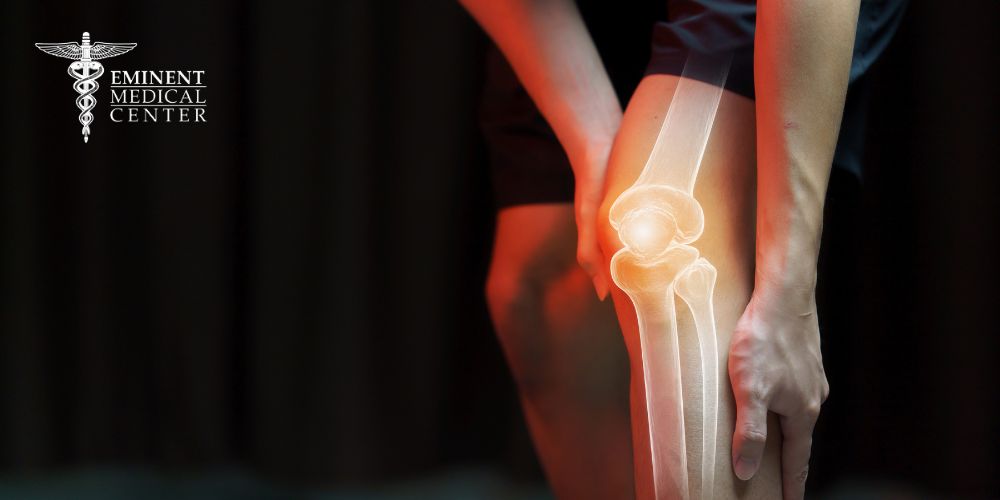
What Happens During Kneecap Replacement Surgery?
Before your procedure, the surgical team will administer anesthesia. In some cases, we use general anesthesia to place you into a sleep-like state. Other times, spinal anesthesia is used to block pain and sensation below the waist.
After removing the damaged cartilage and bone from the patellofemoral compartment, the surgeon replaces those sections with prosthetics. Your medical team will attach a plastic button or cover to the patellar joint surface. The button aligns with a thin metal part over the trochlear groove. Together, these parts create a smoother surface for kneecap movement, relieving pain and knee stiffness.
According to Cleveland Clinic, partial knee replacements generally take about an hour. Once surgery is complete, you will be moved to a recovery area where our team will closely monitor you.
Recovery After Patellofemoral Replacement
Pain management is often a necessary step for recovery. Patients may rely on over-the-counter pain medications, such as NSAIDs, or consult their doctor if they need something stronger. Weightbearing generally starts immediately after patellofemoral replacement surgery. However, you may need to use walking assistance devices for a short time. Be sure to take care of your incision sites following the procedure to prevent irritation and infection.
Follow-up appointments allow your doctor to update your recovery plan as necessary. When your doctor instructs you to, you can begin rehabilitation with assistance from a physical therapist. They will help with specific exercises meant to maintain range of motion in your knee and strengthen muscles.
Recovery periods differ from one patient to the next, so it is important to follow your care team’s guidance. After knee surgery, patients typically return to regular activities and work within about six to eight weeks. However, you may need to wait up to three months or longer before performing strenuous activities or labor.
Benefits of Kneecap Replacement
Results may vary from patient to patient, but potential benefits of kneecap replacement include:
- Less pain in the kneecap
- Improved movement
- Greater comfort during daily activities
Another benefit of kneecap replacement is that it allows doctors to preserve healthy areas of the knee. Since a partial replacement is a less invasive surgery performed with smaller incisions, patients often enjoy a quicker recovery. When doctors perform this procedure on an outpatient basis, individuals can even go home the same day.
Patient Testimonials
Eminent Medical Center strives for the highest quality healthcare and is measured by the satisfaction of our patients overall experience.
EXCELLENTTrustindex verifies that the original source of the review is Google. I just had my second knee replacement surgery within 12 months (Dr. Berry is awesome!) and both were done at Eminent Center. The entire staff is friendly and caring from the time you walk in until the time you leave! Big kudos to the nursing staff. From surgery prep to the operating room to recovery they really have great attitudes. Thanks so much to my floor nurses. They are fantastic!!! Great experience overall!!!Posted on GoogleTrustindex verifies that the original source of the review is Google. I been here 4 times for my procedures. The best and friendliest staffs a patient can ever ask for!! Keep up the good work!! Thank you!Posted on GoogleTrustindex verifies that the original source of the review is Google. The team made sure they communicated with me very well. I knew everything I had to do every inch of detail, the facility was great, and the surgery went great. The instructions and follow up was outstanding.Posted on GoogleTrustindex verifies that the original source of the review is Google. EVERYONE was superb here- from the minute you walk in the door to the minute you leave! Attentive care for my recent surgery- made the process go smoothlyPosted on GoogleTrustindex verifies that the original source of the review is Google. The staff was amazing during my surgery! Friendly, professional, and caring through my entire experience. As an RN myself it was refreshing to have such a great experience with quality staff! Thank you to all the nurses and staff that cared for me! I highly recommend using this facility!Posted on GoogleTrustindex verifies that the original source of the review is Google. The place Is clean with a very friendyatavvyPosted on GoogleTrustindex verifies that the original source of the review is Google. The staff was great. My wait time was minimal. Very nice facility. I would recommend them to anyone needing day surgery such as I did. Thank you Eminent Medical.Posted on GoogleTrustindex verifies that the original source of the review is Google. Absolutely the best to ever do it! So, kind and the sense of urgency and willing to make you feel comfortable was amazing, good job to the team and my family and I are greatly appreciative!!!Posted on GoogleTrustindex verifies that the original source of the review is Google. My care was amazing. The food was descent and the doctors went above and beyond to make sure surgery was successful.Posted on GoogleTrustindex verifies that the original source of the review is Google. The whole experience wasn't stressful at all. The staff was amazing.. from checking in to prepping for the surgery they were friendly and helpful. Also, the building is very nice and they even have a little Bistro right there for those that are waiting. Thank you for making things so easy!
Schedule a Kneecap Replacement Consultation at Eminent Medical Center Today
Are you or a loved one experiencing persistent kneecap pain or patellofemoral arthritis symptoms? If so, schedule an evaluation with our team. Eminent Medical Center prioritizes high-level care and patient comfort. Our facilities include five operating suites, our own pharmacy and lab, five private patient rooms, and more. These resources allow us to provide faster, more personalized care than most larger hospitals can accomplish.
Eminent Medical Center’s mission is to improve health and well-being in our community through compassionate and individualized care. Testimonials from patients we’ve successfully treated show our dedication. When you book an appointment with us, we’ll carefully consider your circumstances. Then we’ll discuss whether patellofemoral replacement or another knee replacement option is appropriate.
Don’t wait to learn more about knee treatment options near you. Call (469) 910-8800 or schedule an appointment through our online contact form.